Summer can quickly turn a neat hedge into something that looks like it has developed ambitions of its own.
Longer days, irrigation and active plant growth can mean more frequent trimming around residential gardens, estates and commercial properties. But summer hedge maintenance is not simply about cutting everything back as hard as possible.
The goal is to maintain shape, remove unwanted growth and keep hedges manageable without putting unnecessary stress on the plants or your equipment.
How Often Should You Trim Hedges in Summer?
There is no single trimming schedule that works for every hedge.
Fast-growing hedges may need light shaping several times through the warmer months, while slower-growing varieties may need far less attention. Instead of waiting until growth becomes completely unruly, regular light trimming is often easier to manage.
Pay attention to how quickly new shoots appear and whether the hedge is beginning to block pathways, windows, entrances or garden features.
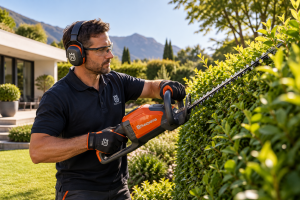
If you are mainly maintaining established garden hedges, a purpose-built hedge trimmer makes the job far easier than trying to shape large areas manually. GSR’s Husqvarna hedge trimmer range includes models designed around reach, handling and comfortable trimming of both the sides and tops of hedges.
Avoid Heavy Trimming in Extreme Heat
A summer tidy-up does not have to mean cutting a hedge dramatically shorter.
Where possible, carry out routine trimming during the cooler part of the day rather than in intense midday heat. Light shaping and removal of excessive new growth is generally more suitable for routine summer maintenance than aggressive pruning.
If substantial pruning is required, first consider the plant species and whether that is the appropriate time of year to cut it back heavily.
There is a difference between maintaining a hedge and renovating one.
Start With the Sides
When shaping an established hedge, working methodically helps produce a cleaner result.
Begin with the vertical faces before finishing the top. Keep the tool moving smoothly rather than trying to remove too much material with one pass.
Step back regularly and look at the hedge from a distance. It is surprisingly easy to spend ten minutes perfecting one section only to discover that the whole thing now leans slightly to the left.
For taller hedges, use equipment designed for the required reach rather than stretching, standing on unstable surfaces or trying to turn a standard trimmer into a pole trimmer through optimism.
Keep the Base From Becoming Too Shaded
A hedge that becomes significantly wider at the top than at the bottom can prevent enough light from reaching the lower growth.
Where the hedge species allows it, keeping the sides reasonably even or slightly narrower towards the top can help maintain a fuller-looking hedge from top to bottom.
The exact shape will depend on the type of hedge and your preferred style, but the important point is to avoid letting the upper growth completely dominate the lower section.
Clear the Working Area First
Summer gardens tend to be busy.
Before starting, remove toys, hoses, garden furniture and anything else close to the hedge. Check carefully for objects hidden within the growth.
Also look for wildlife and active bird nests before trimming. If birds are nesting in a section of hedge, leave that area undisturbed until it is safe to continue.
Good visibility makes trimming both safer and easier.
Use the Right Hedge Trimmer for the Job
The best hedge trimmer depends on the size and density of the hedge as well as how frequently you use the equipment.
Smaller suburban gardens may benefit from lighter, easy-to-handle equipment, while larger properties and professional garden services may require more powerful machines designed for longer working periods.
Battery-powered equipment is also increasingly practical for residential maintenance where lower noise and easy starting are priorities. GSR stocks battery-powered outdoor equipment alongside petrol-powered options, including Greenworks platforms for everyday gardening through to higher-output applications.
If you are unsure which machine suits your hedge, the team at GSR can help match the equipment to the type of work you actually do.
Don’t Ignore Blade Maintenance
A hedge trimmer that is used regularly through summer needs attention too.
Dull, damaged or poorly maintained cutting equipment can make trimming slower and place unnecessary strain on the machine.
Keep the blades clean after use and follow the manufacturer’s maintenance and lubrication instructions. Inspect the machine periodically for loose components, damage and anything affecting normal operation.
If the trimmer is no longer cutting properly or is due for maintenance, GSR provides grass and hedge trimmer servicing from its Somerset West workshop.
Keep Summer Hedge Maintenance Simple
Summer hedge care does not need to become a major landscaping operation every weekend.
Trim regularly enough that growth remains manageable, avoid unnecessarily aggressive cutting during extreme conditions and use equipment suited to the height and size of the hedge.
The easier the job is to maintain, the less likely you are to leave it until the hedge has swallowed half the driveway.
Explore GSR Outdoor’s hedge trimmer range or speak to the team about finding the right equipment for your garden.