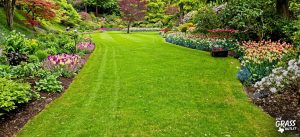
Spring is one of the best times of year to give your garden a fresh start. As temperatures begin to rise and plants move into a new period of growth, your lawn, flower beds, trees and outdoor spaces all benefit from a little preparation.
For South African gardens, getting ready for spring is about more than simply planting a few flowers. The change in season is an opportunity to repair winter damage, prepare your soil, improve lawn health, and make sure your outdoor equipment is ready for the work ahead.
Whether you have a small suburban garden or a large property, a little preparation now can make maintaining your garden throughout spring and summer much easier.
Why Should You Prepare Your Garden for Spring?
Winter can be tough on gardens. Cooler temperatures, reduced sunlight, rainfall and periods of dryness can leave lawns looking tired and soil compacted or depleted.
Spring brings warmer conditions and increased plant growth, which means your garden will soon demand more attention.
Preparing early can help you:
- Encourage healthier lawn growth
- Remove winter debris and dead vegetation
- Improve soil condition
- Control weeds before they become established
- Prepare flower beds and vegetable gardens
- Prune plants where necessary
- Check irrigation systems
- Make sure garden equipment is clean and operational
- Create a healthier foundation for summer growth
If your lawn has suffered during winter, now is also a good time to assess its condition before regular mowing becomes part of your weekly routine.
Start With a Thorough Garden Clean-Up
One of the easiest ways to prepare for spring is to give your garden a proper clean-up.
Remove fallen branches, dead leaves, old plant material and other debris that has accumulated over winter. Clearing this material allows more sunlight and air to reach the soil and plants while making it easier to identify areas that need attention.
Leaves can also create problems when left sitting on lawns for extended periods. They can block sunlight and moisture from reaching the grass and create an environment where certain lawn problems develop.
A blower can make this process considerably quicker, particularly if you have a large garden or plenty of trees.
You can also revisit your seasonal approach with our guide to leaf control during autumn and winter to see how the right equipment can make garden clean-up easier throughout the year.
Give Your Lawn Some Attention
Your lawn is likely to be one of the first areas that shows the effects of winter.
Before spring growth really gets underway, inspect the lawn for:
- Bare patches
- Compacted soil
- Weeds
- Moss
- Damaged areas
- Excessive thatch
- Uneven growth
Once you have identified problem areas, you can start working on improving the lawn.
Aeration can be particularly useful where soil has become compacted. It creates small openings in the soil, allowing air, water and nutrients to reach the grass roots more effectively.
If your lawn needs more significant attention, our guide to the benefits of aerating your lawn in South Africa explains why this can be an important part of maintaining healthy grass.
Check Your Lawn Mower Before Spring Growth Takes Off
Spring usually means one thing for lawn owners: more mowing.
Grass growth can increase significantly as temperatures rise, so you do not want to discover that your lawn mower needs maintenance when the grass is already getting out of control.
Before the season gets busy, check your mower and make sure it is ready for regular use.
Depending on the type of mower you own, this may include:
- Checking the blades
- Cleaning the mower deck
- Inspecting the wheels
- Checking oil and fuel
- Inspecting filters
- Checking cables and controls
- Looking for loose or damaged components
A clean, properly maintained mower can make mowing easier and help you achieve a better finish.
If you prefer to handle basic maintenance yourself, our DIY lawn mower maintenance guide is a useful starting point.
Prepare Your Soil for New Growth
Healthy plants start with healthy soil.
Spring is a good time to assess the condition of your soil before planting new flowers, vegetables, shrubs or other plants.
Look for areas where the soil has become compacted, dry or depleted. Depending on your garden’s requirements, you may need to add compost or other organic matter to improve soil structure and nutrient availability.
If you are planning a vegetable garden, preparing the soil before planting can give your plants a stronger foundation for the growing season.
You should also avoid assuming that every plant requires the same conditions. Consider the amount of sunlight, drainage and moisture available in each area before deciding what to plant.
Deal With Weeds Early
Spring growth does not only benefit the plants you want in your garden.
Weeds can also take advantage of warmer temperatures and increased moisture.
Getting on top of weeds early can prevent them from becoming a much bigger problem later in the season. Inspect flower beds, lawns, pathways and areas around trees for early signs of unwanted growth.
Removing weeds while they are still small is often much easier than trying to reclaim an overgrown garden later.
Prepare Your Garden Beds
If you have flower beds, spring is a good opportunity to rethink how you want them to look throughout the warmer months.
Remove dead plants and old growth where appropriate, clear away debris and refresh the soil before introducing new plants.
Think about how different plants will work together in terms of:
- Sunlight requirements
- Water requirements
- Mature size
- Flowering periods
- Colour
- Soil conditions
Planning your garden before buying plants can help prevent overcrowding and make maintenance easier later.
Check Your Irrigation System
As temperatures increase, your garden’s water requirements will also change.
Before you start watering more frequently, inspect your irrigation system for leaks, blocked sprinklers, damaged pipes or other problems that may have developed during winter.
Run the system and check whether water is reaching the areas that need it.
It is also worth considering whether your watering schedule still makes sense for your garden. Different plants and areas may require different amounts of water, and overwatering can be just as problematic as underwatering.
Prune Where Necessary
Spring can also be a good time to assess shrubs, trees and other established plants.
Remove dead, damaged or diseased growth where appropriate, while taking care not to prune plants unnecessarily.
Different plants have different pruning requirements, so research the specific plant before making significant cuts.
The goal should be to encourage healthy growth and maintain the shape and structure of the plant without damaging it.
Make Sure Your Garden Equipment Is Ready
Spring garden preparation is not just about the garden itself. Your equipment needs attention too.
Take some time to inspect the tools and machinery you will be relying on during the growing season.
This could include:
- Lawn mowers
- Brush cutters
- Leaf blowers
- Chainsaws
- Hedge trimmers
- Garden tractors
- Pressure washers
- Irrigation equipment
Clean equipment, sharpen blades where appropriate and deal with maintenance issues before you need the equipment regularly.
For larger properties, a garden tractor can make routine lawn maintenance considerably more efficient. If you are considering one, our guide to finding the perfect garden tractor for your lawn care needs can help you understand what to consider.
Consider Smarter Lawn Care
Spring is also a good time to think about whether your current approach to lawn maintenance is working efficiently.
If you spend a significant amount of time mowing, an automated solution could help reduce the amount of routine work required.
Automated lawn mowers can be programmed to maintain your lawn regularly, allowing you to spend less time behind a mower and more time enjoying your garden.
If this sounds appealing, take a look at the benefits of using an Automower and consider whether automated mowing could suit your property.
Create a Spring Garden Maintenance Routine
Once your garden has been cleaned, repaired and prepared, create a simple maintenance routine for the months ahead.
A regular routine could include:
Weekly
- Mow the lawn when required
- Check for weeds
- Inspect plants for pests or disease
- Check irrigation
- Remove fallen leaves and debris
Monthly
- Inspect garden equipment
- Check soil and plant health
- Trim plants where necessary
- Review irrigation requirements
- Look for areas requiring additional attention
Seasonally
- Service lawn equipment
- Assess lawn condition
- Refresh garden beds
- Review your planting plans
- Prepare equipment for changing weather conditions
A consistent routine makes it much easier to keep your garden healthy without allowing small problems to become major jobs.
Get Your Garden Ready Before Spring Gets Busy
Spring is an exciting time for South African gardeners. Plants begin growing again, lawns become greener and outdoor spaces become more enjoyable.
But the best-looking gardens do not happen by accident. Preparing your garden before the growing season gets into full swing gives your lawn, plants and soil a better chance of thriving.
Start with a clean-up, assess your lawn, prepare your soil, check your irrigation and make sure your equipment is ready. Then establish a maintenance routine that keeps your garden under control as growth accelerates.
Whether you need a new lawn mower, blower, chainsaw, garden tractor or automated mowing solution, GSR Outdoor can help you find the right equipment for your garden.
Ready to get your garden spring-ready? Explore GSR Outdoor’s range of outdoor power equipment and make this growing season your best one yet.